

Does Eating Sugar Before Bed Keep You Awake? The Science of Sleep, Blood Sugar & Brain Performance
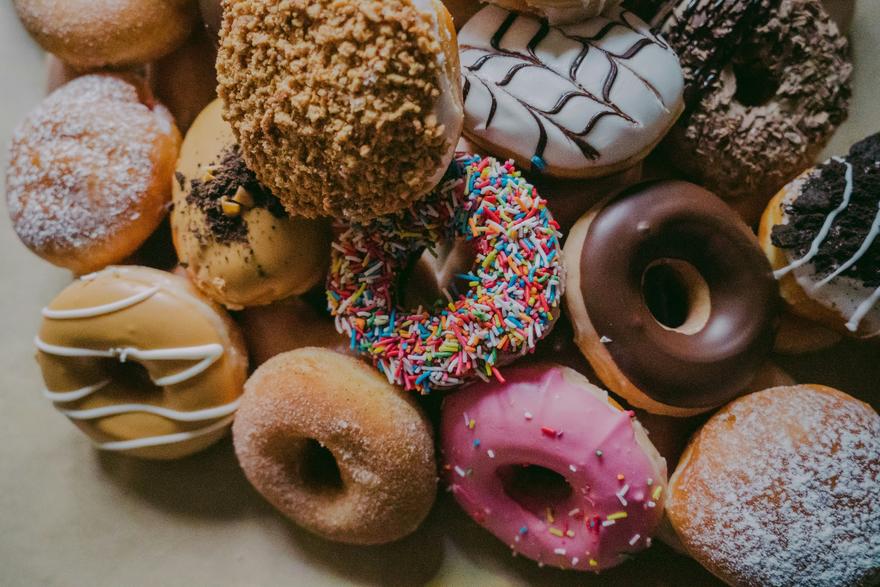
Do you ever find yourself wide awake at 2 a.m. after a late-night sweet treat? You’re not alone. I remember one busy weeknight when I collapsed on the couch with a bowl of “fat-free” strawberry lollies, convincing myself they were a harmless reward for the day. Fast forward a few hours: it’s the middle of the night, and I’m staring at the ceiling, mind buzzing like I’d had a double espresso.
What gives? As a nutritionist (and a self-confessed sweet tooth!), I had to learn the hard way that even “innocent” sugars after dinner can sabotage our sleep. In this article, let’s unpack how eating sugar before bed affects your slumber – in plain, friendly terms – and explore what to do instead, so you can swap those 2 a.m. stare-downs with the ceiling for deep, blissful Zzz’s.
The Late-Night Sugar Trap
Picture this: it’s 9:30 p.m., Netflix is asking “Are you still watching?”, and you’re feeling peckish. A few choccy biscuits or a scoop of ice cream sound like the perfect nightcap. We’ve all been there – a little sugar feels like a comforting treat after a long day. But here’s the catch: that late-night sugar hit sets off a chain reaction in your body that can wreck your sleep.
When you consume a sugary snack close to bedtime, your blood sugar spikes, giving you a quick energy boost at the worst possible time (you might even feel momentarily revived just when you want to feel sleepy) . In response, your body pumps out insulin to whisk that extra sugar out of your bloodstream and into cells. This can lead to a sharp drop in blood glucose later on. And guess what? That dip is seen as a crisis by your body. It triggers the release of stress hormones like adrenaline and cortisol – essentially putting you into mini “fight-or-flight” mode while you’re supposed to be sleeping . No wonder a 2 a.m. adrenaline rush jolts you awake feeling alert or anxious for seemingly no reason!
Science backs this up. One study found that diets high in refined carbs and added sugars are significantly associated with a higher risk of developing insomnia over time . In postmenopausal women, those who consumed the most refined sugars had far more sleep troubles, whereas women who ate more whole foods (think veggies, whole fruits, whole grains) slept better . The researchers pinpointed the same mechanism we just described: quick blood sugar spikes from sugary foods lead to a steep crash, and that crash provokes your body to release “wake up” hormones that disturb sleep . Even in the short term, a sugary nightcap can lead to lighter, less restorative sleep with more frequent awakenings during the night . So while a bowl of ice cream or a couple of biscuits might make you feel cosy and relaxed at 9 p.m., by 2 or 3 a.m. it’s often behaving like an internal alarm clock shouting “rise and shine!” 😧.
Does this mean carbohydrates are the enemy? Not at all. In fact, complex carbs in the right context can help with sleep (more on that later). The real troublemaker is sugar at the wrong time. When we dump a load of fast-acting sugar into our system late at night, we essentially confuse our body’s natural night-time rhythm. Normally, as bedtime approaches, we want our blood sugar and cortisol levels gently declining while the sleep hormone melatonin rises. But a sugary dessert at 9 or 10 p.m. sends the opposite signal – it shouts “party time!” to your metabolism. There’s even emerging evidence that late-evening meals high in carbs (especially sugar) can delay the release of melatonin, tricking your brain into thinking it’s not bedtime yet . One article noted that a carb-heavy late meal often causes a blood sugar crash in the middle of the night, which in turn spikes cortisol and leads to wake-ups . In plain English: sugar late at night = rollercoaster blood sugar = hormonal wake-up call when you should be sound asleep.
What Happens in Your Body When You Eat Sugar Before Bed
Let’s break down that late-night sugar saga step by step. Understanding the biology can empower you to make better choices (without needing a PhD – I promise to keep it simple!):
-
You indulge in a sugary snack before bed. Perhaps it’s a slice of cake, a bowl of cereal, a “healthy” fruit bar, or those fat-free lollies (hey, no judgment – I love a treat too). As you consume that sugar, your blood glucose begins to rise quickly. You might even feel a tiny burst of energy or alertness when you wanted to feel sleepy.
-
Blood sugar peaks and your body releases insulin. Insulin is the hormone that helps shuttle glucose out of your bloodstream and into cells for storage or use. A big sugar surge at night can make your insulin go into overdrive, working to pack away that extra glucose. For a little while, you might actually feel content and drowsy as insulin does its job and your initial sugar high fades.
-
Blood sugar drops – sometimes too low. Insulin has hustled all that glucose into storage, but it can overshoot. A few hours after the sugary treat, your blood sugar may plummet below normal (this is often a relative low – a sharp drop compared to the spike). Now, your brain says “Uh oh, we’re running out of fuel!” Remember, your brain needs a steady supply of glucose, especially overnight.
-
Emergency! Stress hormones to the rescue. Your body perceives that sudden blood sugar drop as a stress event, almost like a mini starvation alarm. In response, it releases cortisol and adrenaline to raise your blood sugar back up . Cortisol signals your liver to dump some stored glucose into the blood, while adrenaline gives you that jumpy, heart-racing feeling – it’s the classic “fight-or-flight” response. Unfortunately, these hormones are totally counterproductive to sleep – cortisol and adrenaline make you more alert, not relaxed.
-
You wake up (or sleep very lightly). With stress hormones circulating, you might find yourself wide awake at 2–3 a.m., mind suddenly on full throttle. Some people don’t fully wake, but their sleep becomes fragmented and light. Ever had those nights where you toss and turn or keep drifting in and out of dreams? A late blood sugar crash could be why. In fact, a common reason people wake up in the middle of the night is a surge of adrenaline and cortisol triggered by low blood sugar . Your body is basically yelling at itself to get glucose, and in the process it’s also yelling you out of deep sleep. (Not fun, right?)
-
Groggy morning aftermath. Eventually, cortisol’s normal dawn rhythm kicks in and you might drift off again – or maybe you’ve been up since that 3 a.m. wake-up. Either way, come morning your alarm goes off and you feel unrefreshed and groggy. Perhaps you even reach for a strong coffee and something sweet (hello, sugar cycle!) to get going. Thus the pattern can repeat.
In short, that innocent late treat can set you up for a restless night. Your body seesawes from sugar high to sugar crash, and then compensates by firing up alerting hormones at the exact time you want to be in deep slumber. It’s a lose-lose for your poor nervous system.
Carbs Aren’t the Enemy, But Timing Matters
By now you might think I’m demonising carbohydrates – but let me be clear: carbs are not evil. In fact, carbohydrates (including sugars) are our body’s preferred energy source and are part of a healthy diet. The problem is when and what type of carbs we eat. There’s a big difference between having a bowl of wholegrain porridge in the morning versus a bowl of ice cream at midnight.
During the day (or at an early dinner), carbs are less likely to wreak havoc on sleep because you’re active and your metabolism is in “day mode.” Plus, if you pair carbs with protein and fibre, they digest more slowly and keep blood sugar stable. At night, however, our bodies naturally prepare for fasting and rest. Flooding your system with quick-digesting sugar at 10 p.m. is akin to shouting “Wake up!” to your hormones. It’s simply mis-timed fuel.
Consider this: researchers have found that diets high in refined, high-glycemic carbs (like white bread, sweets, sugary drinks) are linked to higher insomnia rates, whereas diets richer in fiber (from vegetables, whole fruits, legumes, wholegrains) are linked to better sleep . Why? Because not all carbs are created equal. Refined sugars hit fast and hard, causing the spikes and crashes we discussed. But unrefined carbs – say a piece of fruit or a serve of brown rice – come packaged with fiber and nutrients that moderate the blood sugar impact. For example, an apple contains natural sugar, but also fiber that slows absorption so you don’t get the same glucose rollercoaster . By contrast, drink a glass of apple juice (with the fiber removed) or have a “healthy” fat-free cookie made with apple concentrate, and your blood sugar might skyrocket similar to drinking a soda. As the UCSF SugarScience researchers put it: to make foods “low fat,” companies often replace fat with added sugar – which means that many fat-free or diet products are secretly sugar bombs in disguise.
So carbs per se aren’t bad, and in fact some can help with sleep, but timing and type are key. A small serving of complex carbs at dinner (like sweet potato or quinoa) can actually promote sleepiness by helping tryptophan (an amino acid) get to the brain and by steadying blood sugar overnight. On the other hand, a big slice of cake or a sugary cocktail right before bed is likely to send your blood sugar on a wild ride. Think of it this way: Use carbs as a gentle sleep aide, not a late-night adrenaline trigger!
Sneaky “Healthy” Sugars That Can Sabotage Sleep
One of the trickiest parts about nutrition these days is that sugar likes to play hide-and-seek. It’s not always obvious when you’re eating it. Many of my clients have been baffled, saying “But I don’t eat dessert at night, just a bowl of cereal or a granola bar… why am I still waking up?” The answer often lies in sneaky sugars that lurk in foods we consider wholesome or neutral.
Here are a few common evening sugar traps to watch for:
-
“Fat-Free” or “Low-Fat” Snacks: If a label boasts about being fat-free, check the sugar content. Frequently, when fat is removed, extra sugar is added for flavor . Those fat-free yogurt-covered raisins, low-fat ice creams, or diet cookies often contain loads of sugar that can spike blood glucose just like a candy bar. It’s ironic – you think you’re making a healthy choice, but your body still sees a sugar rush.
-
Sugary Drinks and “Natural” Juices: A nightly glass of juice or a “healthy” kombucha might feel virtuous compared to, say, soda. But many fruit juices pack as much sugar as cola. And because it’s liquid without fiber, the sugar hits your system quickly. Even a fresh-pressed juice can contain the sugar of several pieces of fruit in one go. The same goes for those relaxing chamomile teas that are pre-sweetened or a cup of hot chocolate before bed – sneaky sugar is sugar all the same. (Sorry, but that honey-laden “calming” sleepytime drink could be revving you up later.) If you crave a sweet drink at night, try an herbal tea and add a tiny drizzle of honey or a cinnamon stick for flavor instead of a heavy sweetener.
-
“Healthy” Bars and Treats: The packaging might say natural, gluten-free, organic, or no refined sugar. But many protein bars, granola bars, or raw desserts use dates, rice syrup, honey, or other sweeteners that, while less processed, still act like sugar in your body. For example, I’ve seen clients who unwittingly sabotaged their sleep with “energy balls” made of dates, thinking natural = harmless. In reality, a date-based snack is still a dense source of sugar (albeit with some fiber). Dried fruit can be another culprit – a few dried mango slices or a handful of raisins can deliver a big sugar load quickly, compared to eating the whole fruit.
-
Hidden Sugar in Packaged Foods: You might not consider things like crackers, flavoured popcorn, or tomato sauce as sugary – but check the labels. Manufacturers add sugars to all kinds of evening nibbles. Your “savoury” late-night cracker might have maltodextrin or corn syrup solids (fancy words for sugar). Even that bowl of supposedly healthy whole-grain cereal before bed could harbor 10-15 grams of added sugar per serving, especially if it’s “honey toasted” or has dried fruit. Breakfast cereal at night = dessert in disguise!
Let me share a quick true story: A client of mine, Steph, was a busy professional who often grabbed “healthy” snacks to save time. She was shocked when we audited her pantry and found how much sugar she was actually consuming. One “low-fat” blueberry muffin she had in the evenings contained 10 teaspoons of sugar, and her favorite “all-natural” smoothie contained 22 teaspoons of sugar ! 😱 Many of these products were marketed with feel-good labels like “natural”, “fat-free”, or “gluten-free”, which masked their high sugar content. All told, Steph was unknowingly having 40+ teaspoons of sugar a day. No wonder her sleep (and hormones) were a mess. She felt angry and duped – and who could blame her? Hidden sugars are everywhere, and they can absolutely impact your sleep quality just as much as obvious sweets.
Bottom line: Be a sugar detective, especially with evening snacks. Read labels for sneaky terms (anything ending in “-ose”, syrups, juices, etc.). Don’t be fooled by healthy halos on packaging. Sugar is sugar, and if you have it close to bedtime – whether it came from a donut or a “fat-free” frozen yogurt – your body will respond the same way.
Sleep-Friendly Bedtime Snack Swaps
By now, you might be thinking, “Alright, I get it – lay off the late-night sugar. But I get hungry or crave something sweet before bed. What am I supposed to do, go to bed starving?” Absolutely not! Going to bed hungry can also keep you awake. The goal is to choose smarter bedtime snacks that satisfy your taste buds and keep your blood sugar stable through the night. It’s entirely possible to treat yourself in the evenings without triggering that 2 a.m. cortisol surge.
Here are some practical snack swaps and tips Michele-style (warm, realistic, and tested on many clients – including myself!):
-
Go for tryptophan-rich options. Tryptophan is an amino acid that helps your body produce serotonin and melatonin – hormones that make you relaxed and sleepy. A classic choice is a glass of warm milk (there’s a reason your grandma swore by it). Dairy contains tryptophan, and a warm, milky drink can be psychologically soothing too. If you’re avoiding regular milk, try unsweetened almond milk warmed with a dash of cinnamon – it tastes like a treat but is very low in sugar. I often make a caffeine-free turmeric latte or a carob powder “hot chocolate” with almond milk at night. It feels dessert-like without the sugar high. Other tryptophan-rich nibbles: a few slices of turkey (turkey isn’t just for Thanksgiving naps – it’s famously high in tryptophan), a small banana, or a spoonful of peanut butter on a oat cake or wholegrain cracker. These combine protein with a bit of complex carb – a duo that can actually enhance sleepiness by steadily releasing glucose and ushering tryptophan into the brain .
-
Swap out the high-sugar desserts for lower-sugar, fiber-rich treats. If you’re used to ice cream, cookies, or chocolate after dinner, try some creative alternatives that still give you sweetness without the blood sugar bomb. For example, Greek yogurt with a few berries and a drizzle of honey can hit the spot like a parfait – but with far less sugar than ice cream (and bonus: protein from the yogurt to steady your blood sugar). Or try a couple of dates with walnuts or almond butter: the natural sweetness of dates is satisfying, and pairing them with healthy fats/protein slows down the sugar release. One of my personal favorites is apple slices sprinkled with cinnamon and a dollop of yogurt or nut butter – it tastes like apple pie but won’t send your blood sugar on a rollercoaster. The key is that by choosing whole fruits or minimally sweetened treats, you also get fibre and nutrients that slow the release of sugar, preventing that quick spike-and-crash that would otherwise jolt you awake .
-
Combine protein + complex carbs. A little bit of carbohydrate can actually help you sleep by increasing serotonin, but you want it in a slow-digesting package. Pair a complex carb with some protein or fat. Examples: a small wholegrain toast with mashed avocado (healthy fats, fibre) or with a smear of peanut butter. Hummus with carrot sticks or whole-grain crackers is another great choice – it feels like a snacky treat but is balanced. If you crave something salty-crunchy, air-popped popcorn (plain or lightly salted) can work – it’s a high-fibre whole grain. Just skip the sugary kettle corn varieties at night.
-
A note on chocolate and caffeine: I’d be remiss if I didn’t mention this – dark chocolate contains caffeine, and for sensitive folks even that little bit in a few squares can interfere with sleep. I won’t tell you to banish chocolate completely (I enjoy my two squares of dark choccie in the evenings too, I’m human!). But if you notice sleep issues, try having chocolate a bit earlier in the evening, or switch to a carob bar or a small cup of caffeine-free chai to get that dessert feeling. And obviously, avoid coffee or strong tea after mid-afternoon if you can – caffeine’s effects can last 5+ hours in your system , which means that 4 p.m. latte might still be pinging your brain at 9 p.m. Aim to cut off caffeine at least 6 hours before bed (for many people, 2–3 p.m. is the cutoff for any caffeinated drinks).
-
Herbal nightcaps and relaxing rituals. Instead of a sugary nightcap or dessert, consider a herbal tea ritual. Chamomile, peppermint, passionflower, or lemon balm teas are wonderful choices. They contain compounds that help calm the nervous system (chamomile, for instance, has an antioxidant called apigenin that binds to sleep receptors in the brain). A mug of chamomile tea with a dash of steamed milk (for a little protein and coziness) can satisfy that urge to have “something” before bed. Other calming ideas: run a warm bath with magnesium salts, do some gentle stretches, or practice 5 minutes of deep breathing. Sometimes the “snack” we need isn’t food at all but a bit of stress relief after a hectic day.
Remember, the goal with these swaps is to keep your blood sugar on an even keel through the night, while still giving you the comfort of a bedtime snack if you want one. Think high-fibre, high-protein, low added sugar. This way you’re signaling to your body “all is well, you can power down now.” You’ll be nurturing your nervous system rather than throwing fuel on the fire.
FAQ: Sugar and Sleep
In this section, I’ll tackle some of the most frequently asked questions about sugar consumption and sleep. It’s normal to have a lot of “but what about…?” questions, so let’s address those in a quick Q&A style.
Answer: Eating a lot of sugar in the evening can contribute to insomnia or poor sleep quality for many people. While one lolly or occasional dessert won’t “give” you chronic insomnia overnight, a habit of high sugar intake at night can absolutely disrupt your sleep patterns. Research has shown that individuals (especially postmenopausal women, in one large study) who consume diets high in refined carbohydrates and added sugars are significantly more likely to develop insomnia over time . The mechanism at play is that sugar keeps you awake. It triggers spikes and crashes in blood glucose, which then provoke the release of cortisol and adrenaline – hormones that interfere with falling asleep and staying asleep . If you find yourself tossing and turning or waking up frequently after sugary evening snacks, sugar might be a culprit. Every body is different, but there is a strong enough link that reducing nighttime sugar is often one of the first natural strategies I recommend for clients struggling with sleep.
Why do I wake up at 3 a.m. after eating sweets at night?
Answer: Waking up in the middle of the night – especially around 2–3 a.m. – after a sugary evening treat is a common experience, and it often boils down to your blood sugar rollercoaster. Here’s what likely happens: that dessert or sugary drink caused your blood sugar to spike, then a few hours later it plummeted. Your brain, sensing a drop in its fuel supply, sounded the alarm. In response, your body released adrenaline and cortisol to boost blood sugar back up . Unfortunately, those “stress hormones” also signal alertness (they’re the same hormones that would wake you up in an emergency). The result? Bing! You’re awake – often wide awake – in the middle of the night, heart maybe pounding a bit, mind suddenly active, even though there’s no external reason. Many people don’t immediately connect this to what they ate, since you might not feel “hungry” at 3 a.m. This 3 a.m. wake-up call is essentially a mini blood sugar crisis response. If this happens to you often, try cutting out or reducing sugary foods after dinner for a week or two and see if those wake-ups lessen. (And if you do wake up, try not to reach for a sweet snack – that can continue the cycle.)
How long before bed should I stop eating sugar?
Answer: A good general guideline is to avoid large amounts of sugar at least 2–3 hours before bedtime . This gives your body time to finish the initial digestion and blood sugar-balancing process before you’re asleep. For example, if you plan to be in bed by 10:30 p.m., try not to have a big sugary treat after about 7:30–8 p.m. Of course, the earlier and lighter, the better: a 9 p.m. bowl of ice cream is going to be more disruptive than, say, a small sweet snack at 7 p.m. Additionally, if you must eat closer to bedtime (hey, life happens – late work nights, etc.), opt for something light and low in sugar. A piece of fruit with some nuts, a small serving of yogurt, or cheese and whole-grain crackers are options that have less sugar impact. The key is “kitchen closed” at least a couple of hours before lights out, especially for desserts or sugary drinks. Not only does this help your blood sugar, it also aligns with your circadian rhythm – our bodies aren’t meant to digest heavy food during the night. Many people find that simply setting an “dessert cutoff” or swapping that late cookie for herbal tea makes a noticeable difference in sleep quality.
Are natural sugars like fruit or honey okay before bed?
Answer: Natural sugars (like those in fruit, honey, maple syrup, etc.) are a bit gentler on the body when paired with whole foods, but they’re still sugars. The context and quantity matter. For example, eating a whole fruit (like an apple or a kiwi) after dinner is usually fine for most people – the fruit has fiber which slows down the absorption of the natural sugars, leading to a smaller blood sugar impact . Many fruits also come with helpful nutrients (magnesium, vitamin C, etc.) that can support sleep and health. On the other hand, drinking a big glass of fruit juice or drizzling lots of honey on your yogurt is more likely to cause a sugar spike, because you’re getting a concentrated dose of sugar without the fiber matrix. Honey is natural and has some health benefits, but it’s still basically pure sugar; a teaspoon in a mug of tea is usually okay, but three tablespoons on your cereal could be problematic at night. I often tell clients: if you want something sweet before bed, choose a natural source and keep the portion modest. A few dates or a small banana (perhaps with some nut butter) can be a satisfying dessert that’s unlikely to wreak havoc on sleep. But a large bowl of grapes or a big “healthy” smoothie might still overload you with sugar. In short, natural sugars are better than refined in terms of nutrients and often fiber, but moderation is key even with the natural stuff.
What are some good bedtime snacks if I have a sweet tooth?
Answer: Great question – having a sweet tooth doesn’t mean you have to suffer every night! The trick is to satisfy your sweet craving in a smart way. Some of my favorite nutritionist-approved bedtime snacks that feel “treat-y” but are still sleep-friendly include:
-
Greek yogurt with berries: The berries give natural sweetness and fiber, and Greek yogurt adds protein (and creaminess) to keep blood sugar stable. You can add a dash of vanilla or a sprinkle of cinnamon to make it feel more dessert-like. If needed, a teaspoon of honey is plenty to sweeten – that’s about 5 grams of sugar, far less than a typical dessert.
-
Banana “nice-cream” or yogurt bark: Freeze some banana slices and blend them into “nice cream” – it’s like ice cream but just fruit. Or mix yogurt with a few berries and freeze it flat to make yogurt bark. These frozen treats feel like ice cream or popsicles but have much less sugar and include protein/fiber. Bananas in particular are a good evening choice because they also contain magnesium and vitamin B6, which help with sleep.
-
A few squares of dark chocolate (earlier in the evening): If chocolate is your love, choose a high-cacao dark chocolate (70% or more) – it has less sugar than milk chocolate. Keep the portion to 1–2 small squares. Enjoy it slowly, mindfully – maybe with a cup of herbal tea. Dark chocolate also has antioxidants and a bit of magnesium. Just be cautious with the caffeine content; if you’re very sensitive, have it at least 2–3 hours before bed.
-
Dates with nut butter: This is nature’s candy bar. One or two Medjool dates slit open and filled with a teaspoon of peanut butter or almond butter can curb a late-night sweet craving fast. It tastes caramel-y and decadent, but you’re getting fiber from the date and healthy fats from the nut butter, which help prevent a sharp sugar spike . It’s rich enough that one or two usually satisfy.
-
Homemade hot cocoa (low sugar): If you love a warm sweet drink at night, try making a cocoa with unsweetened cocoa powder, a cup of warm milk or almond milk, and a bit of sweetener of your choice (stevia, monk fruit, or just half a teaspoon of real sugar or honey). This way you control the sugar (it might end up with ~5g of sugar instead of the 25g in a typical hot chocolate packet), and you still get that chocolatey goodness. Plus, the milk has tryptophan and calcium which can aid sleep.
-
Small protein smoothie: Blend half a frozen banana with a scoop of protein powder, a spoon of cocoa, and unsweetened almond milk. It’s like a chocolate milkshake but with very little sugar (depending on your protein powder, it might be 0–2g sugar) and plenty of protein. The protein will keep you satiated and your blood sugar steady. Just keep the volume small so you’re not too full at bedtime, and don’t gulp down a huge smoothie (we don’t want midnight bathroom trips either!).
The key with all these ideas is balance: pairing the sweet component (fruit, a little honey, cocoa which is bitter but can be sweetened) with protein or healthy fats (yogurt, nuts, milk) and fiber (whole fruits, etc.). This combo slows down the absorption of sugar into your bloodstream. You get the pleasure of a sweet treat, but on the backend your body stays in a calm, fat-burning night-time mode rather than a sugar-burning frenzy. And always be mindful of portion sizes at night – a little usually goes a long way to satisfy that sweet tooth once your taste buds adjust away from super sugary foods.
Final Thoughts: Sweet Dreams Without the Sugar Crash
The relationship between sugar and sleep is a perfect example of how small habits can have big impacts on our well-being. The good news is that unlike, say, insomnia caused by a medical condition, this is one factor we have some control over. By simply tweaking when and what we eat in the evenings, we can profoundly improve our sleep quality. That means more energy, better mood, stable hormones, and even benefits to our waistlines and overall health (poor sleep and high sugar intake, after all, are both linked to a host of issues – but you’re addressing both at once by breaking the cycle!).
I encourage you to experiment gently with the ideas in this article. Maybe start by swapping your dessert for one of the suggested bedtime snacks for a week, or setting a “no sugar after 8 p.m.” rule for yourself as a trial. See how you feel. Do you fall asleep faster? Wake up less often? Feel more refreshed in the morning? Pay attention to the improvements, no matter how small – they are your positive reinforcement. And if you have a rough day and end up inhaling a late-night chocolate bar, don’t beat yourself up (it happens! I’ve done it too 🙋♀️). Just observe how you sleep afterward and use it as motivation to get back on track the next day.
Remember, it’s not about strict deprivation or never enjoying a Tim Tam or slice of birthday cake in the evening. It’s about making conscious choices that honour your body’s natural need for rest. Often, once you break the habit of the nightly sugar fix and start sleeping soundly, you won’t even miss that 9 p.m. sugar rush – especially when you’re rewarded with clear-headed, vibrant mornings. As I often say to clients, there’s nothing as sweet as waking up feeling truly refreshed! 😴✨
So, tonight as you’re winding down, maybe put the kettle on for a herbal tea or grab a small handful of almonds instead of that bag of lollies. Your body will thank you with better sleep. And better sleep will pay you back in every area of life. Here’s to reclaiming your deep, restorative slumber – no sugar needed. Sweet dreams! 🌙💤

Categories
- A Healthy View (510)
- Nutrition (224)
- Snack Recipes (56)
- Free Recipes (232)
- Breakfast Recipes (22)
- Media (86)
- Sleep (9)
- Mental Health (34)
- Sugar (16)
- Weight Loss (44)
- Uncategorised (1)
- Christmas Recipes (14)
- Dinner Recipes (113)
- Dessert Recipes (20)
- Easter Recipes (9)
- Sauce & Dip Recipes (12)
- Hormone Health (20)
- Workplace Wellbeing (31)
- Soup Recipes (12)
- Curry Recipes (8)
- Chicken Dinner Recipes (29)
- Seafood Recipes (12)
- Chilli Recipes (5)
- Salad Recipes (9)
- Mexican Recipes (11)
- Productivity (7)
- Energy & Vitality (6)
- Gut Health (14)
- Stress (3)
- Brain Health (3)
- gut health (1)
- energy (2)
- calories (1)

By Michele Chevalley Hedge, Accredited Nutritionist
Michele Chevalley Hedge is an accredited nutritionist, bestselling author, and keynote speaker. She is the founder of A Healthy View, working with individuals and organisations across Australia to build sustainable health through evidence-based nutrition and positive psychology.

0 comments
Leave a comment
Please log in or register to post a comment