

How to Reduce Inflammation With Food
If you have ever woken up puffy, achy, cranky or feeling like your joints have filed an HR complaint, congratulations. You have met inflammation. The best part is that you can influence it with normal food that lives in your kitchen, not powders imported under moonlight or celebrity plans requiring a second mortgage.
Inflammation itself is not the enemy. It is your body’s alarm system. When you sprain an ankle or bump your shin on the coffee table, inflammation rushes in to repair the damage. That kind of inflammation is acute and helpful. The trouble begins when inflammation becomes chronic. Chronic inflammation simmers quietly in the background and fuels fatigue, bloating, brain fog, weight changes, skin irritations, disrupted sleep and a general feeling that life is harder than it needs to be.
The solution is not complicated. It is nourishment. Evidence based, delicious and completely achievable nourishment. This is anti inflammatory eating the A Healthy View way.
What Inflammation Actually Is
Think of inflammation as your internal smoke alarm. It should go off only when truly needed. But in modern life, the alarm gets triggered by stress, poor sleep, alcohol, ultra processed foods, sedentary routines and the ever present pressure to do everything perfectly. Over time this chronic activation drives oxidative stress, elevated cortisol, digestive disturbance and changes in metabolic function.
The goal is not to eliminate inflammation. The goal is to support your body with foods that lower inflammatory markers and calm the internal chaos. The research is clear. Anti inflammatory eating patterns reduce CRP, IL 6, oxidative stress and metabolic disturbances. They also improve mood, cognitive function and energy.
Polyphenols: Your First Line Defence
Polyphenols come from colourful plant foods and they are a biochemical gift. Berries, herbs, spices, nuts, olive oil, dark leafy greens and cacao contain compounds that reduce inflammation and support gut and skin health. Studies published in Nutrients and Harvard Health show that polyphenols lower inflammatory markers while supporting microbiome diversity and antioxidant activity.
One of my clients once said she added berries to breakfast and olive oil to lunch and suddenly her mid afternoon meltdown vanished. That is not magic. That is biochemistry.
Omega 3s: Nature’s Anti Inflammatory Powerhouse
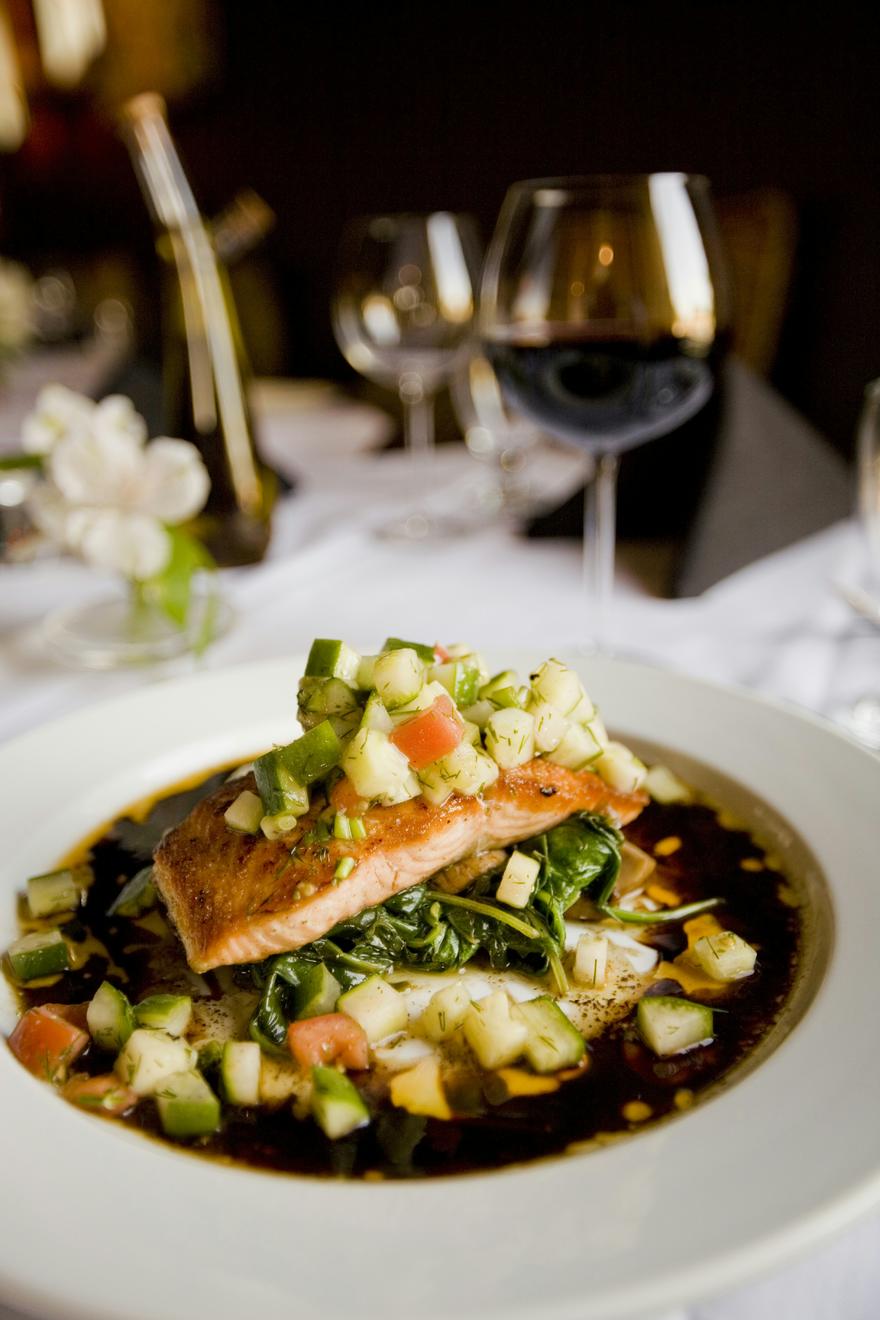
Fatty fish like salmon, sardines and mackerel, along with chia, flax and walnuts, provide omega 3 fatty acids that help regulate inflammation. Omega 3s interact with the NF kB pathway, lower cytokines and support brain, heart and joint health. Research from the American Journal of Clinical Nutrition shows significant benefits for mood stability, cognition and joint comfort.
If your brain feels like it has 47 tabs open and none of them are responding, omega 3s belong on your plate.
Cruciferous Vegetables: Detox and Gut Support
Broccoli, cauliflower, cabbage, rocket and Brussels sprouts contain sulforaphane, a compound that reduces oxidative stress and supports your detox pathways. These veggies help your liver process everyday chemicals, hormones and metabolic waste. Research in Nutrients highlights their ability to support inflammation regulation and hormone metabolism.
Cruciferous vegetables are underrated superheroes.
Quality Protein: Essential for Blood Sugar and Immunity
Protein stabilises blood sugar, reduces cravings, supports immune function and helps repair tissue. Eggs, yoghurt, chicken, fish, legumes, tofu and beef provide amino acids that keep your nervous system balanced and your energy steady. Clinical nutrition research consistently shows that adequate protein intake reduces inflammatory load by supporting glucose control and lowering insulin spikes.
In Australian terms, protein means real food. Not “I grabbed a protein bar and hoped for the best.”
Smart Carbs: Because Your Brain Needs Fuel
Healthy carbohydrates fuel the brain, support gut bacteria, stabilise energy and improve your emotional resilience. Sweet potato, quinoa, beans, lentils, oats and fruit nourish your microbiome and provide antioxidants. Research published in Lancet Psychiatry demonstrates that quality carb intake supports serotonin production and mood regulation.
Your brain loves glucose. It just prefers glucose from real food instead of confectionery that comes in share bags no one ever shares.
Healthy Fats: Olive Oil Is Liquid Anti Inflammatory Gold
Extra virgin olive oil contains oleocanthal, a compound shown to work similarly to ibuprofen in reducing inflammation. Studies in the International Journal of Molecular Sciences confirm its benefits for cardiovascular and inflammatory health. Olive oil is digestion friendly, hormone friendly and flavour friendly. I drizzle it on everything!
Oestrogen’s Link to Inflammation
This matters for everyone. Oestrogen has natural anti inflammatory effects and supports brain, gut and immune health. When oestrogen fluctuates or drops, inflammation can rise. Research in Endocrine Reviews shows that oestrogen influences immune signalling and oxidative stress pathways. This is why some people feel more inflamed during certain hormonal phases.
The solution is nourishment. Anti inflammatory foods support your body regardless of age or hormone stage.
How to Build Anti Inflammatory Meals
Here is the easy A Healthy View formula.
Breakfast and lunch:
• protein
• smart carb
• essential fat
Dinner:
• protein
• vegetables
• healthy fat
This simple structure reduces inflammation, stabilises blood sugar and improves digestion and sleep.
The Reality
Inflammation explains why your rings fit in the morning but not in the afternoon, why your tummy behaves differently at work than on holiday, and why your gut decides to make whale sounds in meetings. You are not falling apart. You are inflamed. And you can fix it.
Eat in a way that lowers inflammation and everything feels different. Your mood, your skin, your sleep, your digestion, your energy, your jeans and your entire outlook on life.
The most powerful solutions are simple.
At breakfast and lunch: protein, smart carb, essential fat.
At dinner: protein, vegetables, healthy fat.
Real food. Real life. Real results.
References
Nutrients Journal. Polyphenols and inflammation. https://www.mdpi.com
Harvard Health Publishing. Food and inflammation. https://www.health.harvard.edu
AJCN. Omega 3s and inflammatory pathways. https://academic.oup.com
International Journal of Molecular Sciences. Oleocanthal research. https://www.mdpi.com
Endocrine Reviews. Hormones and inflammatory responses. https://academic.oup.com

Categories
- A Healthy View (510)
- Nutrition (224)
- Snack Recipes (56)
- Free Recipes (232)
- Breakfast Recipes (22)
- Media (86)
- Sleep (9)
- Mental Health (34)
- Sugar (16)
- Weight Loss (44)
- Uncategorised (1)
- Christmas Recipes (14)
- Dinner Recipes (113)
- Dessert Recipes (20)
- Easter Recipes (9)
- Sauce & Dip Recipes (12)
- Hormone Health (20)
- Workplace Wellbeing (31)
- Soup Recipes (12)
- Curry Recipes (8)
- Chicken Dinner Recipes (29)
- Seafood Recipes (12)
- Chilli Recipes (5)
- Salad Recipes (9)
- Mexican Recipes (11)
- Productivity (7)
- Energy & Vitality (6)
- Gut Health (14)
- Stress (3)
- Brain Health (3)
- gut health (1)
- energy (2)
- calories (1)

By Michele Chevalley Hedge, Accredited Nutritionist
Michele Chevalley Hedge is an accredited nutritionist, bestselling author, and keynote speaker. She is the founder of A Healthy View, working with individuals and organisations across Australia to build sustainable health through evidence-based nutrition and positive psychology.

0 comments
Leave a comment
Please log in or register to post a comment